What is dry ice blasting?
Solid CO₂ pellets are fired at the surface in a stream of compressed air. They hit at roughly −78.5°C, which embrittles the contamination and breaks its bond with the substrate. The pellet then turns straight from solid to gas, so the only material left to remove is the contaminant itself.
That matters on a live site. There is no water to dry out, no grit to vacuum from cable trays and bearings, and no slurry to dispose of. In many cases equipment can be cleaned in place rather than stripped down and moved.
Dry ice is also non-conductive, which is why the method is commonly used around motors, switchboards and control gear — always with the equipment isolated and assessed under your site procedures first.
Not the right method? Where the surface needs to be taken back to bare steel, or a coating has to be removed, abrasive blasting is the better tool. We will tell you which one your job actually needs.
What we clean with dry ice
Typical industrial dry ice cleaning work across Victorian sites.
Machinery & plant
Gearboxes, presses, mixers, extruders and general production machinery.
Electrical equipment
Switchboards, motors, control panels and cabinets — cleaned dry, once isolated.
Production lines
Conveyors, guarding, frames and hard-to-reach areas between shifts or during shutdowns.
Food processing equipment
Dry cleaning of plant and surrounds where water and chemical residue are a problem.
Grease & oil removal
Built-up lubricant, oil mist and product residue on machine bodies and floors around plant.
Carbon & residue
Carbon buildup, release agents, adhesives, paint overspray and process residues.
Mould & contamination
Mould and surface contamination on structures, timber and plant without wetting the area.
Fire & smoke residue
Soot and smoke damage on equipment, steelwork and building interiors after an incident.
Industrial components
Moulds, tooling, jigs, fans and heat exchangers cleaned without dimensional loss.
Why maintenance teams choose dry ice
Practical reasons, not marketing ones.
Less downtime
Cleaning in place removes the strip-down, transport and reassembly time that usually surrounds a machine clean.
No water, no media
Nothing to dry out, nothing to vacuum from bearings and cable trays, no slurry to dispose of.
Non-abrasive on most substrates
The pellets sublimate on impact, so steel, alloys and machined surfaces are not eroded the way grit blasting would.
Non-conductive process
Commonly used around isolated electrical equipment where liquid cleaning is not an option.
Cleaner inspections
A clean machine is an inspectable machine — leaks, cracks and wear become visible again.
Repeatable maintenance
Easy to schedule as a recurring visit so contamination never builds back to a shutdown-sized problem.
Where dry ice cleaning is used
Sectors we regularly work with across Melbourne and regional Victoria.
Not sure whether your plant suits the process? Send a photo of the equipment and the contamination — see the industries we work with or the problems we solve for a starting point.
How a dry ice job runs
Inspection
We look at the equipment, the contamination and the substrate to confirm dry ice is the right method.
Assessment & plan
Isolation requirements, access, extraction and timing agreed with your maintenance team.
Preparation
Masking and protection of sensitive components, containment set up where dust needs controlling.
Blasting
Pellet size and pressure tuned to the surface, working methodically across the asset.
Inspection & handover
Result reviewed with you, contaminant residue removed, equipment ready to return to service.
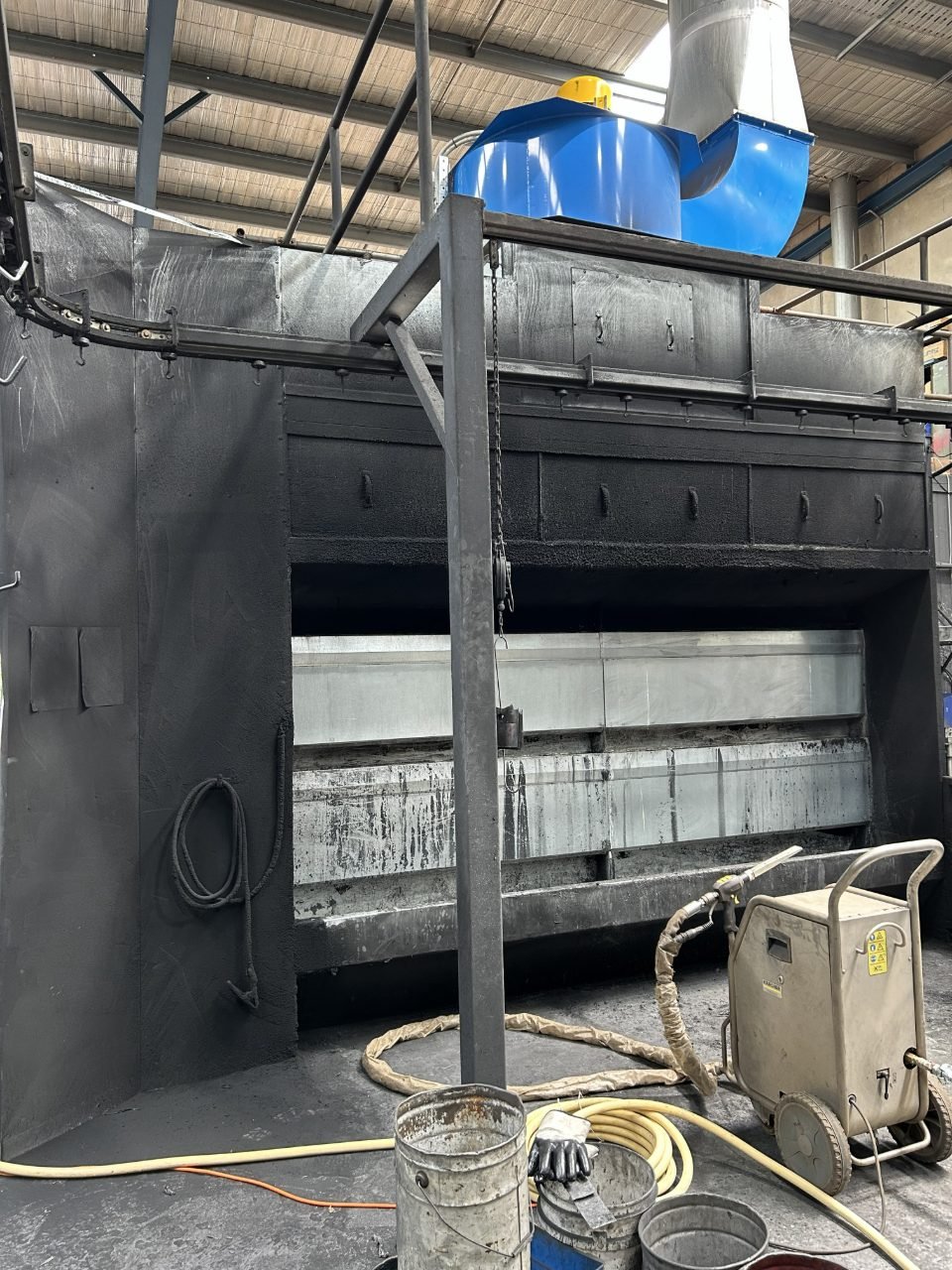
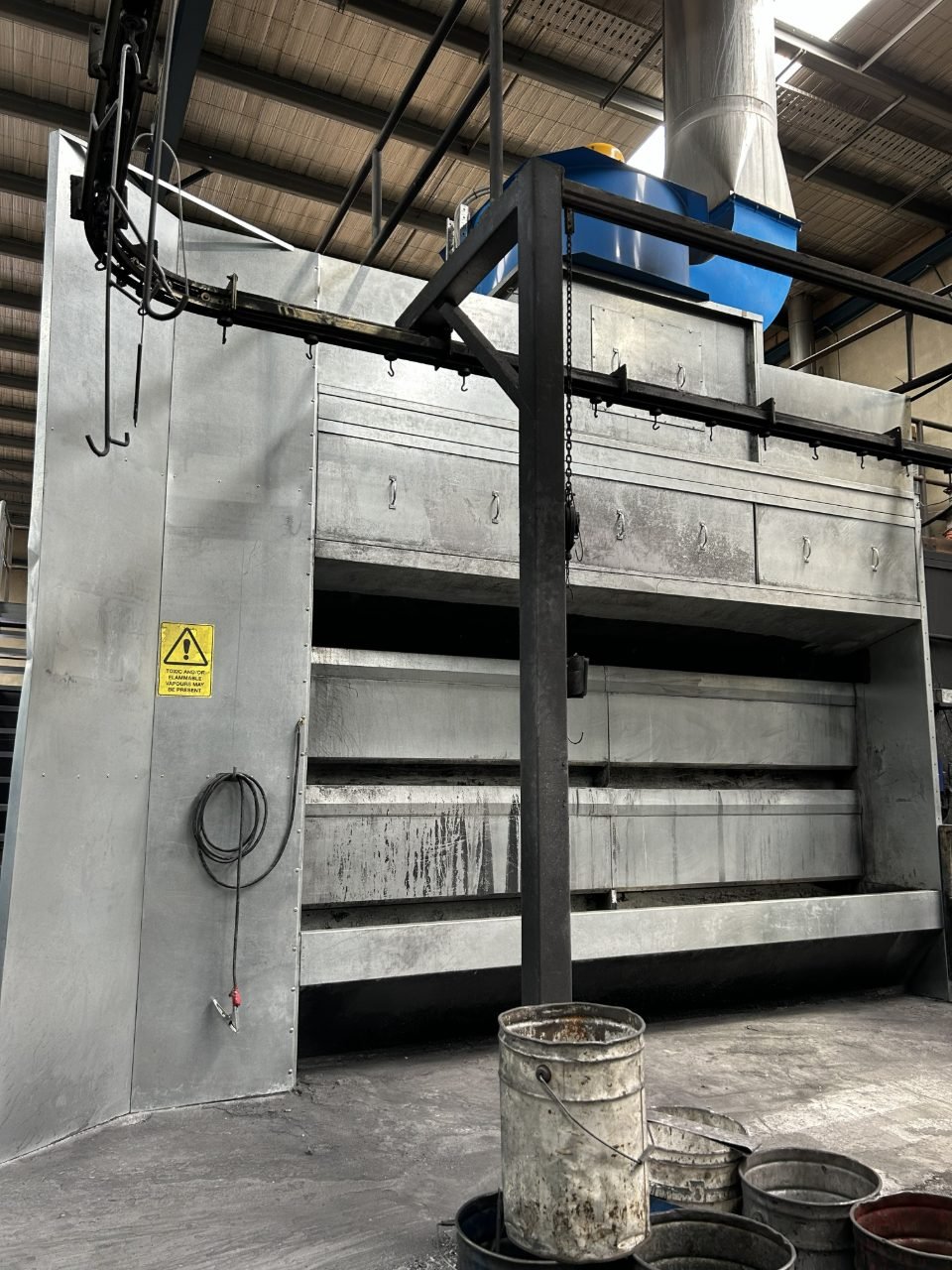
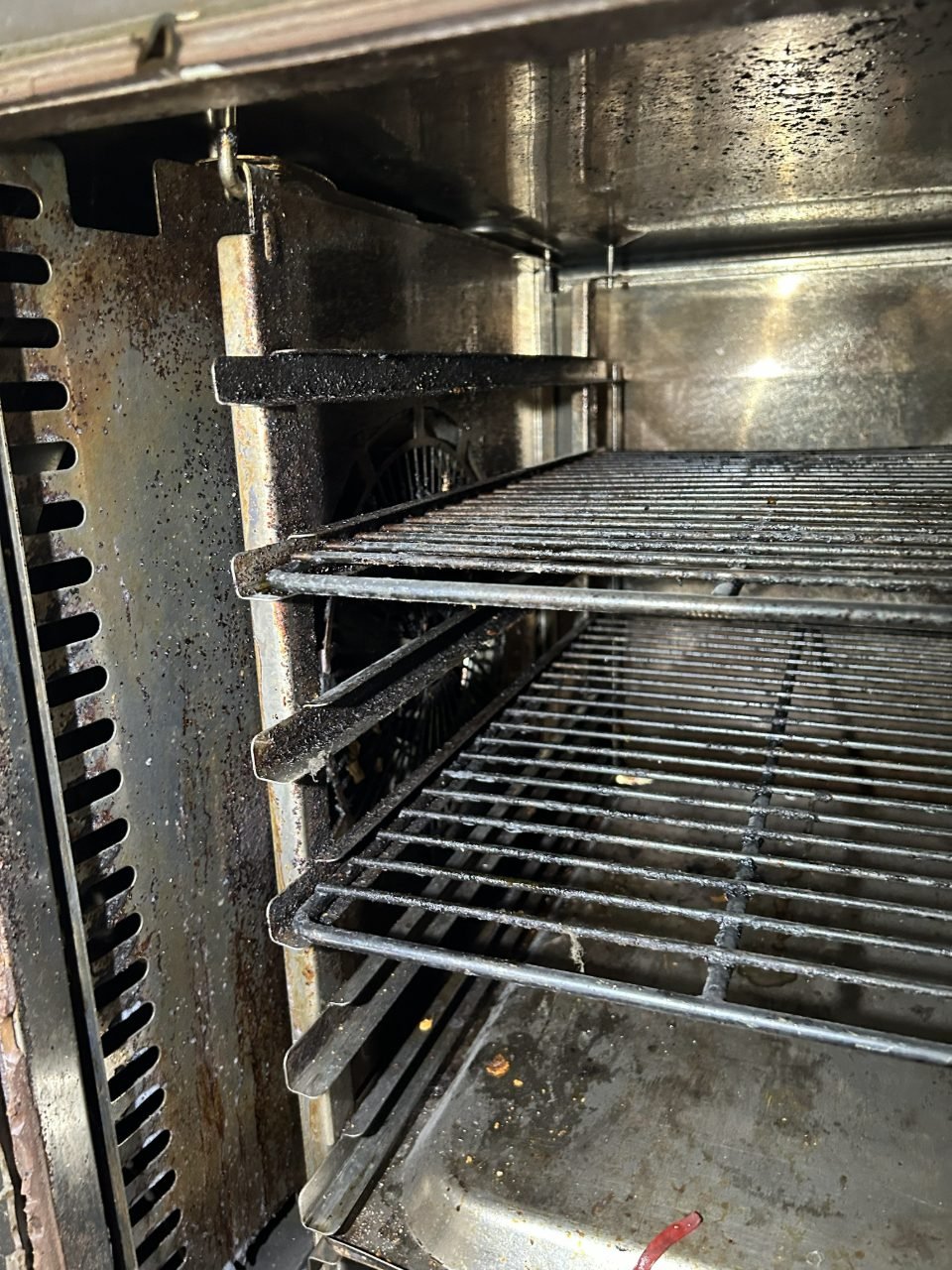
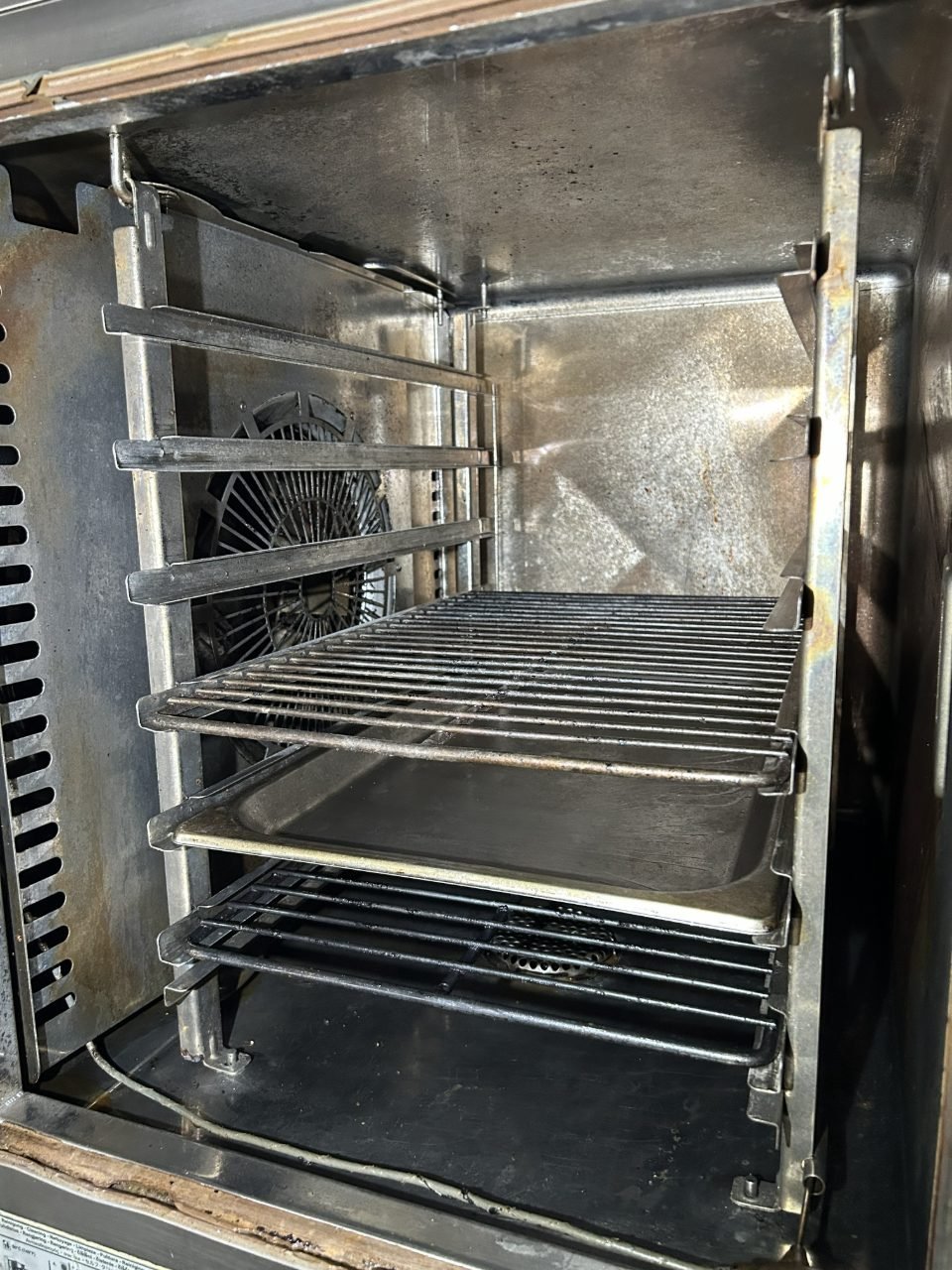
Before & after
Real jobs, photographed before and after the clean.
Dry ice blasting questions
What is dry ice blasting?
Solid CO₂ pellets are fired at the surface in compressed air. They hit at about −78.5°C, embrittle the contamination and break its bond with the substrate, then sublimate straight to gas — leaving only the contaminant to remove.
Does dry ice blasting damage machinery?
The pellets are softer than most substrates and sublimate on impact, so the process is non-abrasive on steel, alloys and machined surfaces. Pressure and pellet size are still matched to the surface, and delicate components are masked or assessed before work starts.
Can dry ice blasting be used around electrical equipment?
Dry ice is non-conductive and the process uses no liquid, which is why it is widely used on switchboards, motors and control gear. Equipment is isolated and cleared under your site's electrical procedures before we start.
Does the machine need to be dismantled?
Usually not. With no water or grit to clean out afterwards, most of the work can be done in place — which is where the downtime saving comes from.
Will it remove rust or paint?
No — that is a job for abrasive blasting. Dry ice removes what sits on the surface: grease, oil, carbon, residue, mould and soot. If you need bare steel and a coating profile, we would blast it instead.
Is there any waste to dispose of?
Only the contaminant that comes off. The dry ice itself turns to gas, so there is no blast media or waste water to collect and handle.
Can you work during a shutdown or after hours?
Yes. Shutdowns, weekends and night shifts are normal scheduling for this kind of work. Tell us the window and we will scope the job to fit it.
Do you service regional Victoria?
Yes — Geelong, Ballarat, Bendigo, Shepparton, Wodonga, Gippsland and the Mornington Peninsula as well as all of metropolitan Melbourne. Regional jobs are planned as a single mobilisation.